
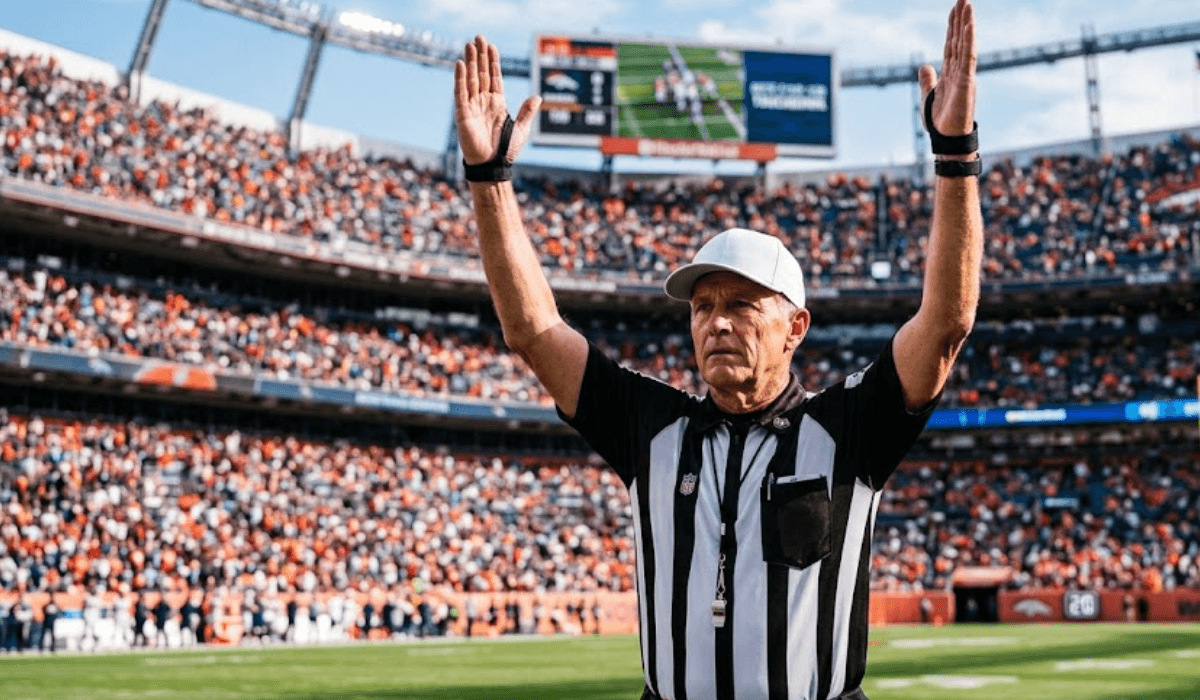
Every time a controversial call upends a game, the same question surfaces: how much are these guys actually getting paid? The answer is more than most people assume — and far less than the players they are officiating.
Here is everything publicly known about NFL referee salaries in 2026, including base pay, per-game rates, playoff bonuses, Super Bowl pay, and the ongoing contract dispute between the NFL and the NFL Referees Association.
The Bottom Line on NFL Referee Pay
NFL referee salaries are not published by the league. But based on information from past Collective Bargaining Agreements and reporting from multiple sports business outlets, here is what is known:
- Average annual salary: Approximately $205,000 per season based on the last publicly available CBA data (the 2019 agreement)
- 2026 estimates: A 2026 report by Huddle Up placed the average NFL referee salary at approximately $350,000 per season, reflecting pay increases since 2019
- Per-game rate: Approximately $10,800–$11,400 per regular season game based on CBA-era figures; some estimates suggest a separate per-game bonus of around $2,500 per game on top of the base salary
- Super Bowl bonus: Between $30,000 and $50,000 for the head referee; lower amounts for other crew members
Understanding the CBA Situation in 2026
NFL referees are represented by the NFL Referees Association (NFLRA), which collectively bargains with the league on salaries and working conditions. The last publicly known CBA between the NFLRA and the NFL was a seven-year deal signed in September 2019, effective through May 31, 2026.
This means 2026 is a contract year for NFL officials. New salary negotiations are underway heading into the 2026 season, and those negotiations are contentious. According to Yahoo Sports reporting from June 2026, the sticking points include:
The NFL’s position: A six-year deal with a 6.45% annual increase, which would bring average compensation to approximately $509,000 by the time the deal expires.
The NFLRA’s position: A 10% annual increase, arguing that NFL officials are substantially undercompensated compared to their counterparts in the NBA and MLB. The union is also seeking $2.5 million in annual marketing fees — up from $775,000 currently — reflecting the revenue the league derives from using officials’ likenesses in commercials, video games, and broadcasts.
The outcome of these negotiations will set the compensation floor and ceiling for all active NFL officials going forward. Until a new CBA is ratified, officials work under the terms of the expired 2019 agreement.
Are NFL Referees Part-Time Employees?
This is the part that genuinely surprises most fans: yes, the overwhelming majority of NFL referees are part-time employees.
The NFL does not list referees as full-time staff. Most officials have separate full-time careers outside of football — in law, business, finance, education, and other fields. During the season, officiating requires approximately 20 to 35 hours per week, according to Front Office Sports, including game preparation, film review, rules clinics, and travel.
Travel itself is a significant commitment. Officials travel to game cities on Fridays or Saturdays and return home on Monday. The NFL covers first-class flights, hotels, and meals for every assignment. That travel perks package adds meaningful value beyond the salary figure.
The NFL did experiment with transitioning approximately 20% of its officiating staff to full-time league employees — a program discussed during the 2019 CBA negotiations — but that program was not formally implemented. As of 2026, there are no full-time officials on the NFL payroll.
See also: 2026-2027 NFL Schedule
Playoff Pay: How Much Referees Earn in the Postseason
Playoff assignments are merit-based. Not all 17 officiating crews hired for the regular season will be assigned to postseason games. Selection is based on performance grades assigned throughout the year.
Officials who earn postseason assignments receive separate playoff pay on top of their regular season salary. Specific figures are not officially published, but based on reporting from Sports Illustrated and Football Zebras:
- Wild Card and Divisional rounds: Estimated $3,000–$5,000 per game per official
- Conference Championships: Higher amounts, specific figures not disclosed
- Super Bowl: The head referee earns an estimated $30,000 to $50,000 for the Super Bowl assignment; crew members receive lower but still substantial bonuses
One point of contention raised by NFLRA executive director Scott Green in 2026 reporting: high-performing officials who worked the Conference Championship games and the Super Bowl were reportedly paid less for those postseason assignments than for regular-season games — a situation the union has described as contradicting the NFL’s stated goal of rewarding performance. This is one of the active issues in the 2026 CBA negotiations.
How Many Games Do NFL Refs Work?
On average, an NFL referee works 19 games per season — this figure includes preseason games, regular season assignments, and officiating clinics. Not every crew works all 18 regular season weeks; assignments rotate across all 17 crews throughout the year.
Referees also attend training camps and officiating evaluation clinics in the spring and summer. Those sessions add another $5,000–$10,000 in additional compensation annually, according to reporting from SportDA.
NFL Refs vs. Other Sports Officials
How does NFL referee pay compare across professional sports?
| League | Official Type | Estimated Annual Pay |
|---|---|---|
| NFL | Referee (head official) | ~$350,000 (2026 estimate) |
| NBA | Referee | $150,000–$550,000 (full-time) |
| MLB | Umpire | $120,000–$350,000 |
| NHL | Referee | $165,000–$360,000 |
The key difference is that NBA, MLB, and NHL officials are full-time employees of their respective leagues. NFL refs are part-time. On an hourly basis, NFL officials arguably earn more during the season than their counterparts in other sports — but they do not receive year-round employment benefits.
The Path to Becoming an NFL Referee
Getting to the NFL officiating level is a long road. The league runs a development program called the Mackie Development Program (named after longtime official Wayne Mackie) for aspiring officials. Candidates typically spend years officiating at lower levels — high school, Division III, Division II, Division I FCS, and FBS college football — before being considered for the NFL.
The NFL evaluates college officials through game film, then invites top candidates to camps and scrimmages for live evaluation. Openings in the NFL’s officiating ranks are rare — crews are stable and turnover is low. When a position does open, the competition is intense.
See also: NFL Teams That Have Never Won the Super Bowl: The Full List (2026)
Why Fans Are Calling for Fully Paid Refs
The debate over NFL officiating quality is perennial. Missed calls, inconsistent rulings, and controversial reviews are a constant source of fan frustration. The most common proposed fix from fans and analysts is to make all NFL officials full-time employees.
The argument: if referees were full-time, they could dedicate more hours to film study, rules education, and continuous training. Part-time officials, no matter how talented, are splitting their mental bandwidth between their primary career and their officiating responsibilities.
The NFLRA has supported this idea. The NFL has been more cautious, and the 2019 CBA ultimately did not include a full-time officiating mandate. Whether the 2026 negotiations produce a different outcome remains to be seen.

The AmericanFootballSchedule.com Editorial Team is a group of football writers, schedule analysts, and die-hard NFL fans dedicated to providing the most accurate and complete American football schedule information on the web. Our team covers all 32 NFL teams, every FBS college football program, and the full CFL season from opening kickoff through the Grey Cup.